
Miami 2025: Contemporary Native Art and What Its Presence Actually Shows
With Miami’s December fairs opening this week, the U.S. art market remains cautious—galleries are closing, high-end sales have contracted, but fairs continue to serve as primary venues where new work finds its footing. Within that landscape, last year’s Miami cycle surfaced something that hasn’t received much attention: contemporary Native American artists had visible, credible placements across the fairs. The point this year isn’t whether that visibility happens again—it’s what that presence reveals about how galleries and collectors are beginning to treat this work in practice, not theory. The relevant markers are straightforward: placement, pricing, and steadiness.
Contemporary Native artists appeared across several parts of Miami Art Week in 2024, but the nature of that visibility varied in ways worth distinguishing. On the fair floors, established galleries presented work by Emmi Whitehorse, Melissa Cody, Teresa Baker, Cannupa Hanska Luger, and Jaune Quick-to-See Smith, with strong placement and solid sales reported across multiple booths. Baker’s work drew editorial attention from The Art Newspaper, marking a different kind of traction—critical recognition rather than just commercial placement. Jeremy Frey was profiled in official fair coverage, extending visibility into the institutional narrative around the week. Off the main floor entirely, Nicholas Galanin’s large-scale beachfront installation became one of the most prominent public works of the week, operating in a register that reaches audiences who never enter the fair halls.
What emerged was not a single breakthrough but a distribution across channels: booth sales, editorial coverage, and public programming. Each type of visibility signals something different, and the fact that Native contemporary artists appeared across all three suggested the interest was not confined to one segment of the market.
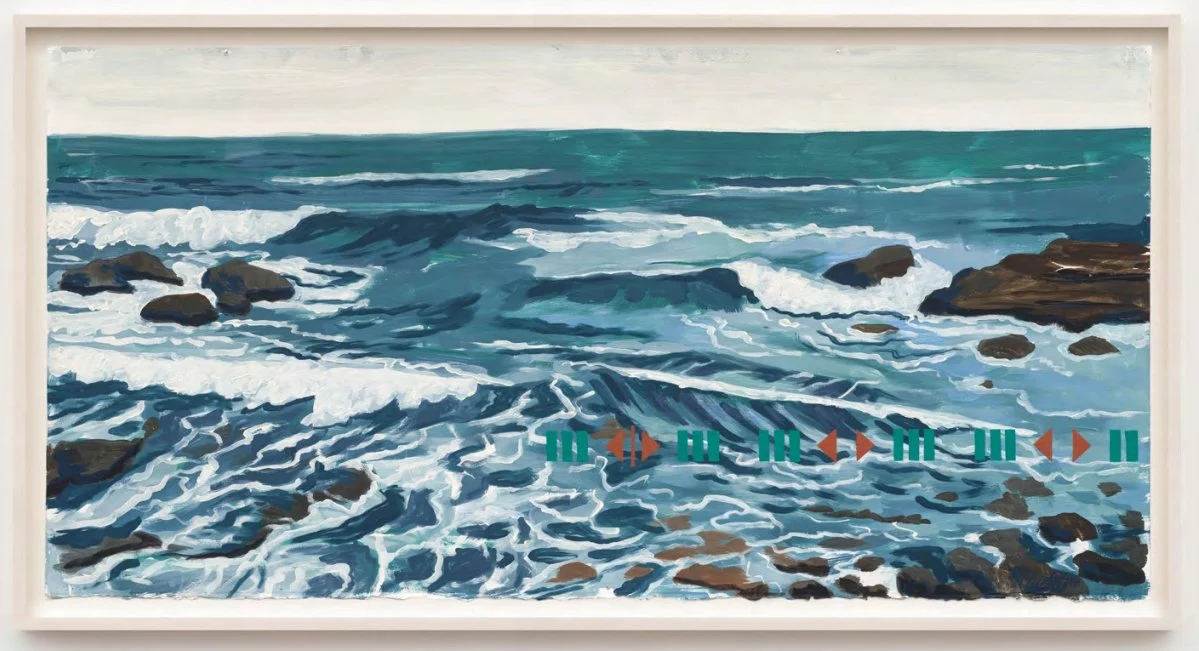
Kay WalkingStick, Out of Newport Sketch, 2024
Hales Gallery at Art Basel Miami, Booth D07
With the fairs opening this week, booth lineups are now confirmed. Jessica Silverman will bring new work by Julie Buffalohead and Andrea Carlson to Booth A04 at Art Basel Miami Beach—two artists who have gained steady institutional traction and whose appearance together at a major Basel booth underscores the confidence galleries are placing in this work. Hales Gallery, at Booth D07, will include Jordan Ann Craig, Shelley Niro, and Kay WalkingStick—three generations of Native artists with materially distinct practices—alongside artists like Virginia Jaramillo and Hew Locke.
At Untitled Art Fair, Sundaram Tagore will present new work by Matthew Kirk at Booth A55, while Marc Straus will bring recent work by Marie Watt. In the fair’s Special Projects sector, Oglála Lakȟóta artist Kite is presenting a major installation and performance titled *Wakpá Iyóžaŋžaŋ (River of Light)* at Booth SP14, guest-curated by Allison Glenn. The presentation—a collaboration between the Tulsa Artist Fellowship and Central Standard—includes three interconnected works spanning silver thread on satin, an installation with black deer hide and river stones, and a video piece, with a live performance during the VIP preview. Their presence across separate fairs reinforces the pattern: Native artists appearing not as isolated features of a single gallery’s program, but across multiple fairs and exhibitors, each integrated into core booth presentations.
The distribution mirrors what Miami showed in 2024. Contemporary Native artists are showing up across several exhibitors and multiple fair platforms, positioned within the main structure of programming rather than as thematic or category-driven additions.
The structural picture in Miami is usually clearest during the first hours of the VIP preview, when placement, pacing, and booth logic become visible. What matters this year is whether the 2024 pattern repeats—whether more than one gallery brings this work back, whether the artists appear in the main booth program rather than as late additions, and whether the work is positioned with the same confidence as other contemporary material. The distribution across different fairs and sectors is telling; recurring appearances in the main fair alongside spots in curated sections usually indicate a shift in how galleries understand the work.
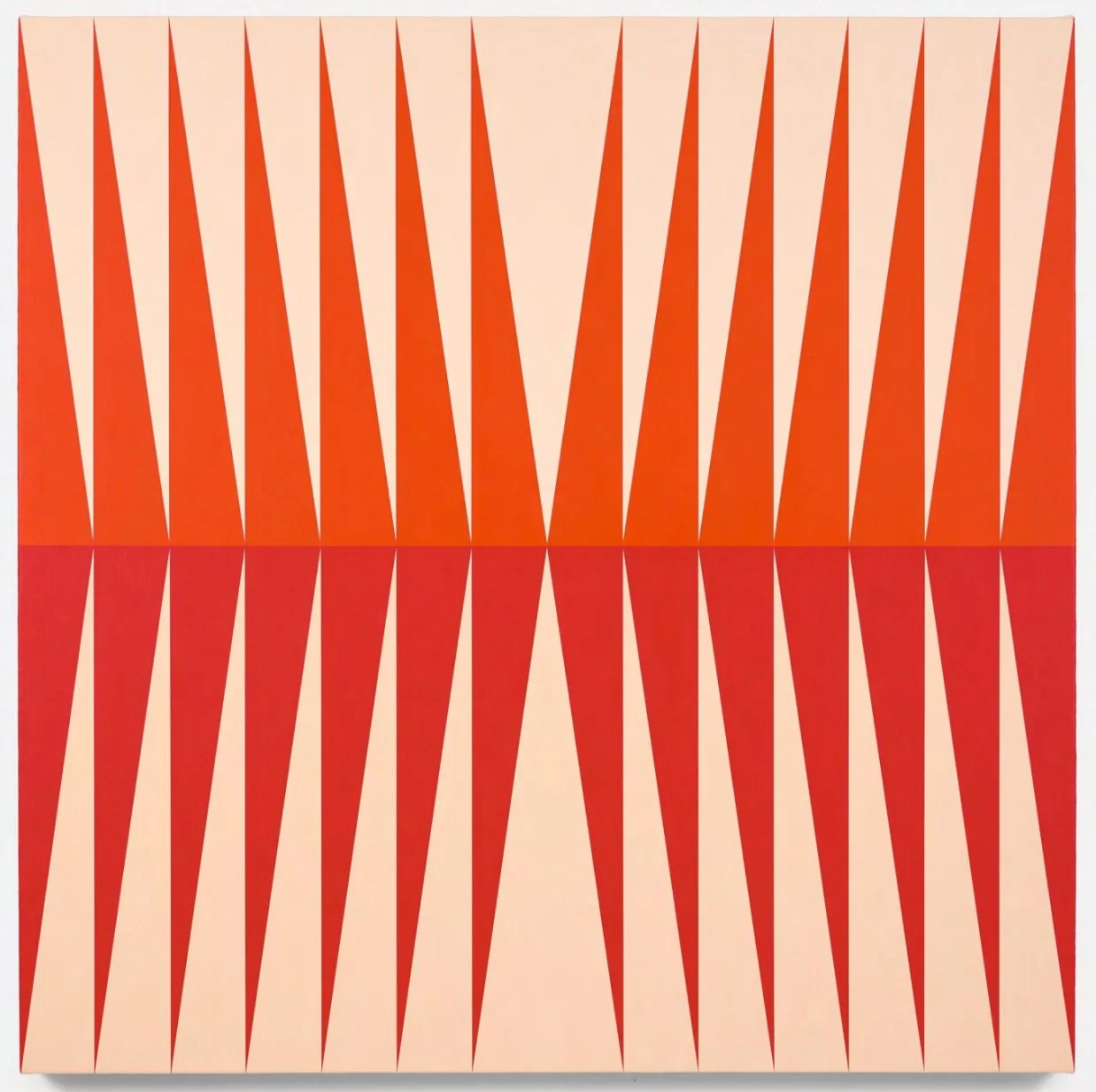
Jordan Ann Craig, Sharp Tongue; sun-kissed; sunburned, 2025
Hales Gallery at Art Basel, Booth D07
While public pricing for 2025 is still limited, last year’s sales and this year’s early previews offer some indicators. In 2024, works by several Native contemporary artists were placed on central walls, with strong placement and sales reported across multiple booths. What matters now is whether this year shows similar confidence—whether the work appears in the main run of the booth, whether prices align with where the artists’ markets have been developing, and whether interest comes consistently rather than in brief spikes.
The source of that interest matters too. Institutional acquisitions and private sales signal different things: museum purchases suggest curatorial validation and long-term collection building, while private collector activity indicates market depth and resale confidence. The healthiest pattern is usually both—institutions providing legitimacy, collectors providing liquidity. For 2024, anecdotal reports suggested a mix, with several works heading to private collections and at least a few museum acquisitions in process, though comprehensive data remains difficult to verify.
The most useful information tends to be the simplest: where the work is positioned within the booth, how it’s valued relative to the surrounding presentation, and whether it returns in subsequent fair cycles. When those elements align, they usually signal that a gallery sees the work as part of its contemporary program rather than a temporary gesture.
Miami won’t settle larger questions about institutional adoption or long-term market depth, but it will offer a clear view of how contemporary Native artists are being handled inside the U.S. fair system right now. If the work shows up across multiple booths, holds strong placement, and draws steady attention from collectors and curators, that consistency becomes the indicator to watch. The proximity of the fairs and the density of presentations mean that a viewer can see, within a day, whether the handling is consistent and whether the work is being treated as contemporary practice within the market’s main channels. That’s the measure Miami will deliver.
Written By Reid Walker, Walker Youngbird Founder