
Native Neon is a residency program developed in partnership with Lite Brite Neon Studio. The program supports Indigenous artists who are new to neon, offering hands-on instruction, collaborative fabrication, and full production support to explore the medium for the first time. Centered on experimentation rather than career stage, Native Neon provides the time, expertise, and resources to translate an artist’s vision into a completed neon artwork and build lasting knowledge for future work.
About the Program
-
The selected artist will spend 7–10 consecutive days working on site at Lite Brite Neon Studio in Kingston, NY. During the residency, the artist will collaborate closely with experienced neon craftspeople to design and produce one completed neon artwork.
This is a supported, teaching-focused residency. Artists are not expected to arrive with technical neon knowledge. The studio team will lead fabrication while working closely with the artist to translate their ideas into neon form.
The residency will conclude with a small public presentation of the work.
-
Native Neon is a teaching residency, not an apprenticeship. You will not be expected to perform technical fabrication independently.
During the residency, you’ll gain exposure to:
Translating ideas and visual language into neon
Fundamentals of neon design and fabrication
Color, gases, and materials used in neon
Electrical systems and safety considerations
Installation basics and long-term care of neon works
How to collaborate with neon fabricators on future projects
The goal is to give artists the knowledge and confidence to imagine and pursue neon work in the future through collaboration with professional fabricators.
-
7–10 days on site at Lite Brite Neon Studio
$10,000 artist stipend
Round-trip travel to and from Kingston, NY
Meals and/or per diem
Lodging during the residency (off site from the studio)
Hands-on instruction in neon design and fabrication
Collaboration with experienced neon craftspeople
Production of one completed neon artwork
Professional documentation (film and photography)
Coordination of installation, transport, and packing as needed
A small public presentation of the finished work
All materials and production costs
The finished artwork belongs entirely to the artist, along with full intellectual property rights. The residency process will be documented for archival and promotional purposes by the Walker Youngbird Foundation.
-
Lite Brite Neon Studio is an active fabrication space located in a former creamery building built in 1910. As a working neon studio, the environment includes ongoing production activity.
The residency involves:
Navigating stairs or a material lift
Working in an industrial manufacturing space
Exposure to colored lights and fabrication equipment (including saws, welding, and glass manufacturing tools)
Concrete floors and an older masonry building
We are committed to supporting access needs wherever possible. If you have questions about the studio environment or would like to discuss accommodations, we strongly encourage you to reach out before applying so we can have a thoughtful conversation about what may be possible. Residency housing will be off site from the studio.
-
This residency is open to artists who meet all of the following criteria:
18 years or older
Currently reside in North America
Enrolled member of a U.S. federally or state-recognized American Indian tribe or Alaska Native corporation, of Native Hawaiian ancestry, or a member of a recognized First Nation in Canada
Working artist at any career stage
Have not previously worked in neon
Available for 7–10 consecutive days in Fall 2026
-
Applications are reviewed by the Walker Youngbird Foundation and Lite Brite Neon Studio. Final selection is made by the Native Neon Advisory Council, which includes:
Marie Watt (Seneca Nation), Artist
matteline devries-dilling, Lite Brite Neon Studio
Reid Walker, Walker Youngbird Foundation
Selection is based on:
Existing practice – Strength, clarity, and cohesion of your work to date
Why neon, why now – Thoughtfulness around your interest in neon at this moment
Openness – Willingness to learn, experiment, and collaborate
Scale & feasibility – Whether your initial idea is appropriate for a first neon project (with support to refine)
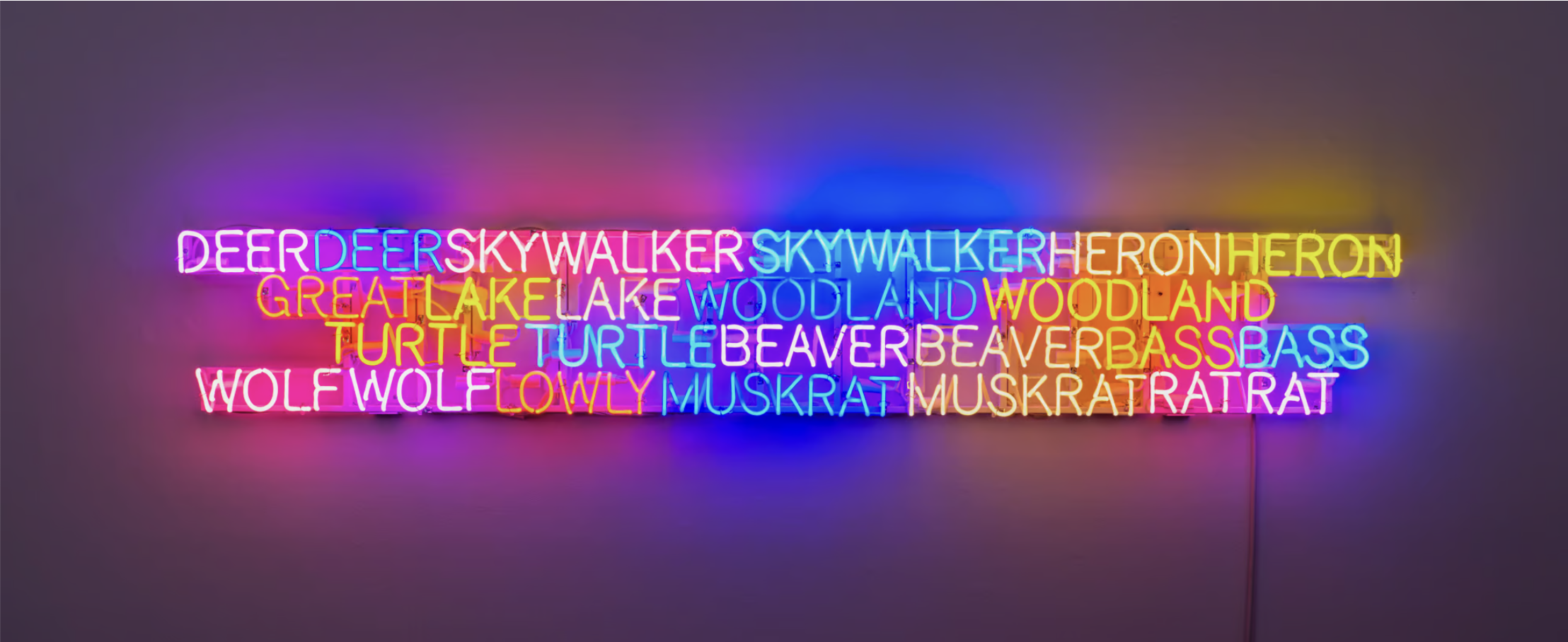
Material, Memory, and Light
“For me, neon is an extension of beadwork. The glass itself is at once a thread and bead. Like beadwork and textile work, neon is part of a long craft tradition.
In an odd way both beads and neon have a relationship to trade; beads historically as currency, and neon as a sign to advertise a business.
I am drawn to how both beads and neon have dazzling relationships with light, reflected and refracted. While neon has a history of expressively adorning buildings, beads have a strong history of expressively adorning bodies as regalia (clothing, accessories, jewelry).”
Marie Watt, Artist & Native Neon Grant Selection
The Selection Team
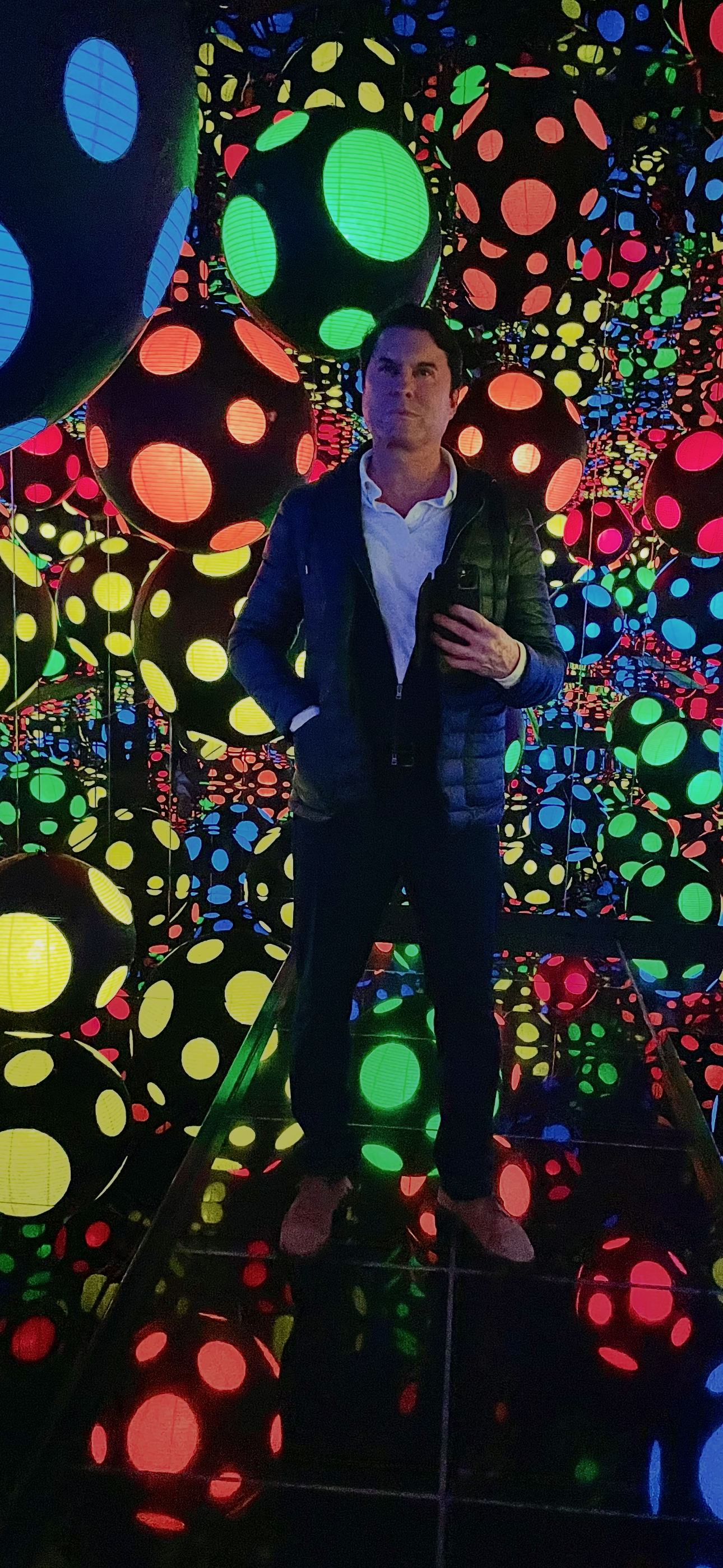
Reid Walker
Walker Youngbird Foundation FounderReid Walker (he/him, Bismarck, ND) is Mandan and Hidatsa, from the MHA Nation. He is the founder of the Walker Youngbird Foundation and works in communications in Washington, D.C. and New York. Reid also serves on the Board of Trustees at the Phillips Collection, the Collectors Committee at the National Gallery of Art, and the Tate Americas Foundation North American Acquisitions Committee.
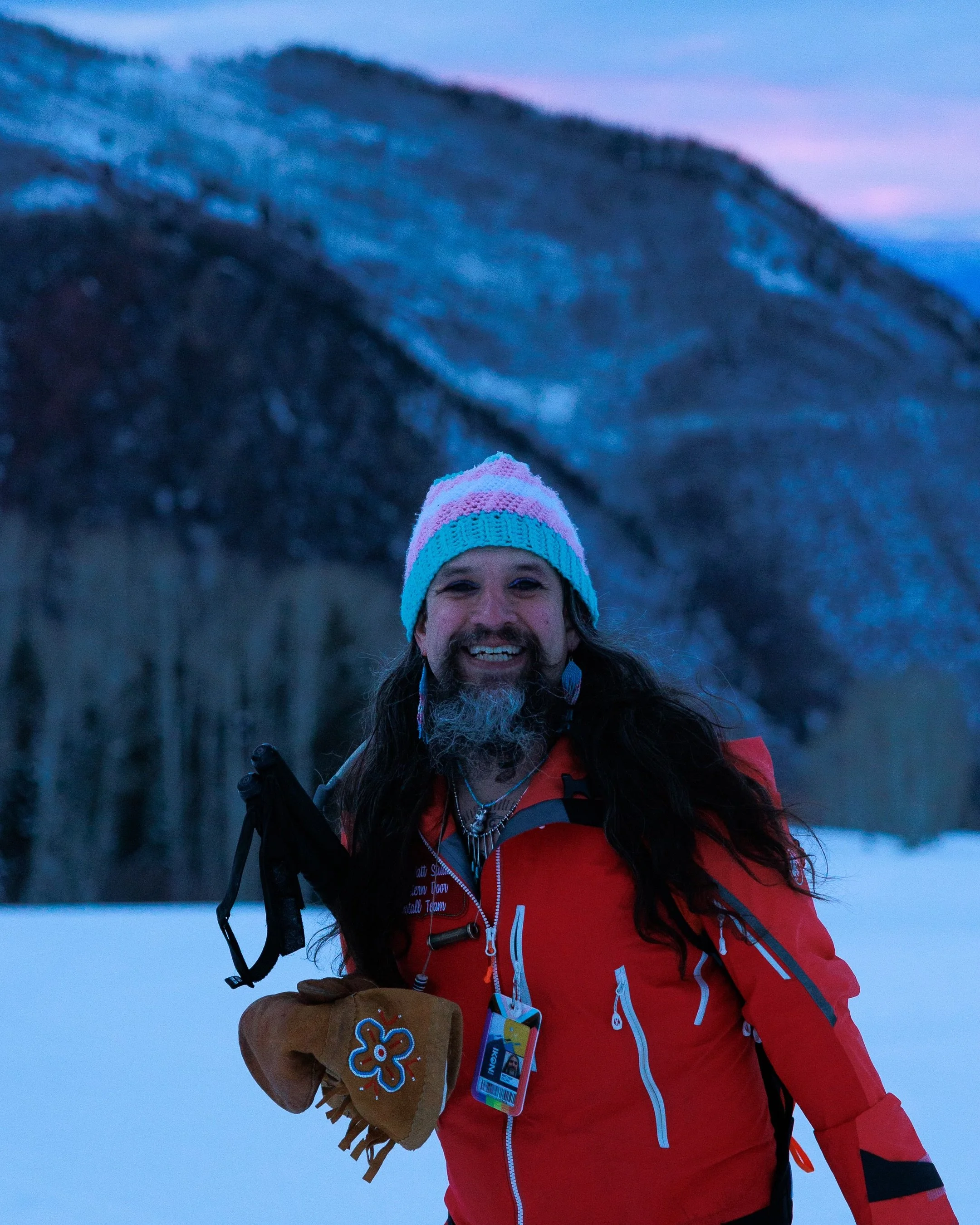
Matteline deVries-dilling
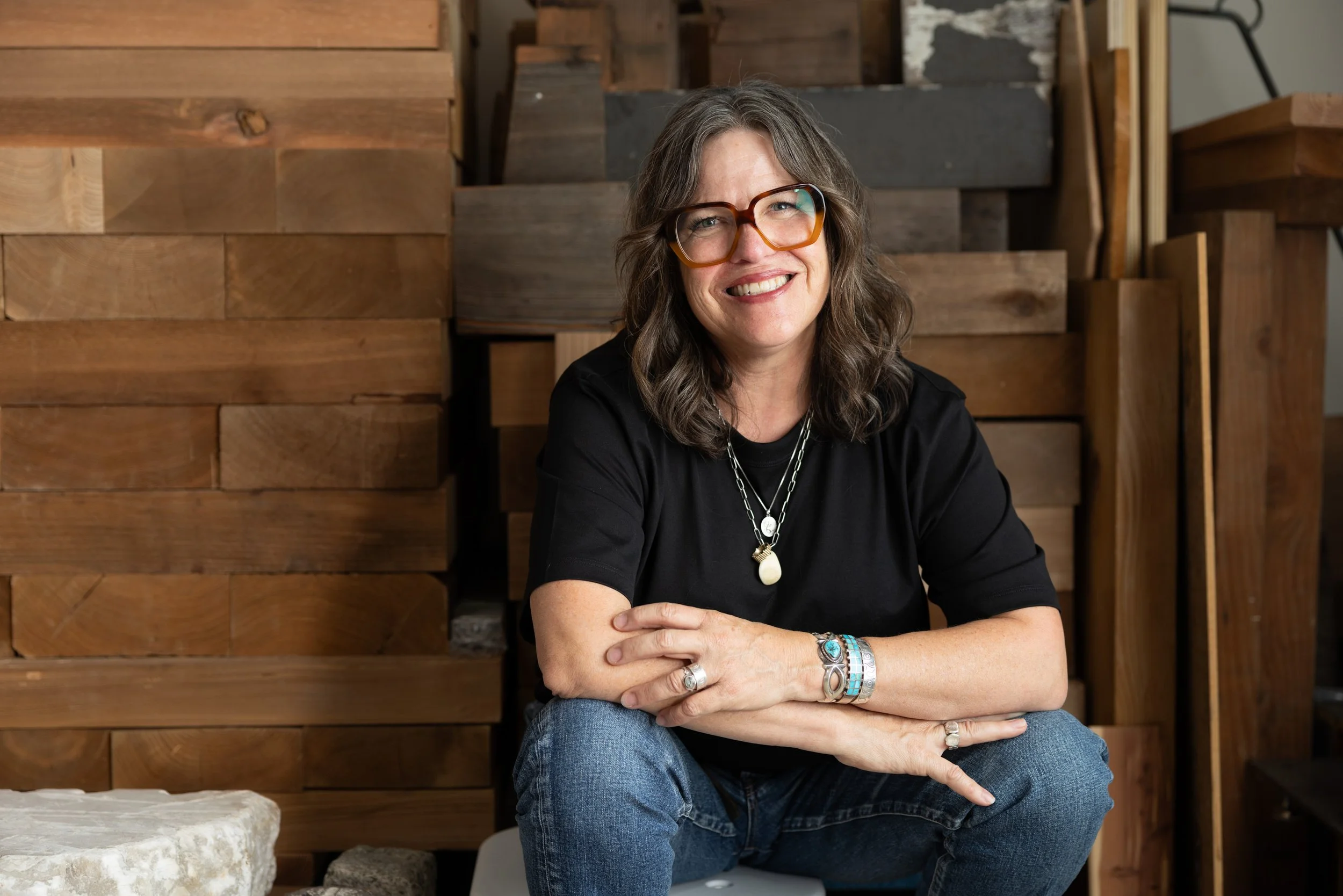
Marie Watt
ArtistMarie Watt (she/her, Seattle, WA) is a member of the Turtle Clan of the Seneca Nation of Indians whose work draws on images and ideas from Haudenosaunee (Iroquois) protofeminism and Indigenous teachings. Her practice is interdisciplinary, incorporating printmaking, painting, textiles, and sculpture. Watt conducts both solo and collaborative projects, but in all of them she explores how history, community, and storytelling intersect.
Co-Founder Lite Brite Neonmatteline deVries-dilling (she/they, Cleveland, OH) is the cofounder of Lite Brite Neon Studio. For the past 28 years she has crafted and facilitated the production of a vast range of neon art projects in tandem with her critically acclaimed studio and team worldwide. She is an ongoing collaborator with the organization Queer|Art, and has been working to help the continuance of the craft of neon in the queer and trans communities across the generational loss created as a result of the AIDS Pandemic.
Why This Grant Matters
Neon is a powerful but often inaccessible medium—requiring specialized equipment, technical knowledge, significant upfront costs, and fabrication partnerships that are often out of reach for Indigenous artists.
The Native Neon Residency helps close that gap by:
Opening access to a complex and costly medium
Creating space for experimentation without technical barriers
Supporting Indigenous artists in expanding their material language and visibility
Apply or Nominate
The Native Neon residency is open to artists who are enrolled members of a U.S. federally or state-recognized American Indian tribe or Alaska Native corporation, of Native Hawaiian ancestry, or members of a recognized First Nation in Canada. Applicants will be asked to provide documentation of eligibility.
Applications are currently closed.